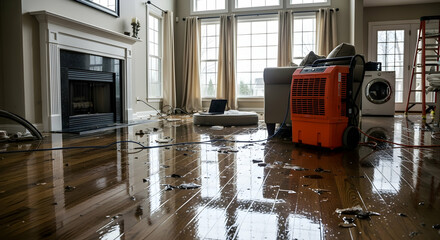
How Fast Water Damage Restoration Should Begin

Water Damage Restoration

Water damage restoration is a time-consuming and costly endeavor. Delays increase costs, as secondary damages like mold growth and structural deterioration accelerate. Immediate professional intervention halts ongoing damage, limits moisture migration, and reduces restoration requirements. Understanding the general water damage restoration timeline can help homeowners make informed decisions during stressful situations.

1. Call the Experts

Salt Lake City Water Damage is a major issue that requires immediate professional intervention to minimize the extent of the damage and repair costs. Ignoring the problem or attempting to handle it independently can lead to more extensive and expensive problems, including mold growth, structural damage, and health hazards. Fortunately, by understanding when to call the experts, you can take action promptly and protect your personal belongings, save money on repairs, and avoid long-term complications.

Water wreaks havoc on property in many ways, from warping walls and floors to sagging ceilings and buckled flooring. It can also compromise electrical systems, destroy furnishings and sentimental items, and cause mold and mildew to grow. In addition, it can affect indoor air quality and create a breeding ground for bacteria and viruses.

It’s important to call for help as soon as possible after discovering water damage, whether it’s from a burst pipe or severe flooding. Waiting just a few hours can increase the risk of serious structural damage, mold growth, and health issues, and it may be impossible to restore damaged items without professional assistance.

A few signs that it’s time to call a professional include:

Musty, lingering smells are usually a sign of hidden moisture and mold. They can spread quickly and negatively impact indoor air quality, causing respiratory problems and other health issues. Experts know how to use advanced moisture detection tools to find hidden pockets of moisture and prevent the problem from getting out of hand.

If you have a small amount of water in a contained area, you may be able to clean it up yourself using towels and wet vacs. However, it is always best to call in the professionals to ensure the job is done properly and to protect your personal belongings. They can use industrial pumps to extract standing water and remove wet materials, then dry the affected areas using specialized equipment such as fans and dehumidifiers. The drying process typically takes between 3 and 7 days, depending on humidity levels and the type of materials involved. If you can act fast enough, the professionals can often shorten this time by taking precautions such as sealing drywall and insulation and monitoring moisture levels with advanced tools.

2. Stop the Water

Professional water damage restoration companies offer 24/7 emergency services for a reason: the longer a home is exposed to standing water, the more extensive the damage becomes. Immediate water mitigation reduces repair expenses and prevents structural damage, mold growth, and other health hazards.

The CDC recommends contacting water-damage restoration experts as soon as possible after an incident to protect your family’s health. Standing water creates ideal conditions for bacterial growth, dampness promotes dust mites and other allergens, and electrical equipment exposed to moisture poses shock risks. Professional mitigation eliminates these concerns and makes your home safe to occupy again.

Water damage can lead to a wide range of problems, from structural issues and furniture stains to mold and rot. It can also pose a number of health risks, including respiratory problems and allergic reactions from mold exposure. Immediate water damage restoration mitigates these issues by removing affected materials, drying and dehumidifying the area, and disinfecting and sanitizing to prevent the spread of contaminants.

While waiting for professionals to arrive, you can take a few steps to minimize the damage and help speed up the process. Find and stop the source of water (if possible), evacuate if necessary, and shut off power to electrical equipment. It’s also a good idea to create an emergency plan with your family and make sure everyone knows where the water shut-off valves are located so they can take action if necessary.

The longer the water is left untreated, the more extensive and expensive the damage becomes. Water damage restoration costs can add up quickly, from simple dry and clean out services to drywall replacement, flooring repairs, and structural fixes. Prompt professional response helps keep damage to a minimum and can save homeowners considerable expenses in the long run.

The length of time it takes to clean up water damage depends on the type and severity of the flood. Clean water or a category 1 flood is the quickest to clean, while contaminated water or a category 2 flood requires more cleaning, disinfection, and building material removal. It’s also important to note that water damage can deteriorate from one level to the next, so even a seemingly minor flood should be addressed promptly.

3. Dry the Area

Drying is a crucial step in water damage restoration, and the window of optimal restoration narrows as the water spreads, materials absorb moisture, and environmental conditions promote secondary damage. Professional restoration teams use advanced moisture detection equipment, industrial-grade drying systems, and proven protocols to restore properties efficiently.

The first 24 hours after a water disaster are the most critical for successful restoration, as the rate of damage accelerates quickly as moisture penetrates porous building materials like drywall and insulation. Rapid action prevents extensive secondary damage, reducing restoration costs and time to completion.

A flooded home is often at risk of bacterial and fungal growth, posing health risks for the residents. Standing water provides ideal breeding grounds for bacteria, while saturated materials promote fungus and mildew. Swift professional intervention eliminates these health hazards through effective water extraction and sanitization procedures.

As soon as it’s safe to re-enter the property, remove all items from the affected area. This includes personal belongings, draperies, wall hangings, and shelving. The items can be stored in a dry area until restoration begins.

It’s important to turn off the power to any electrical outlets in the area before attempting to dry them, as moisture can cause dangerous electrical problems. A licensed electrician should be called to inspect and repair any exposed electrical wires.

Professionals use specialized equipment to dry the property, including moisture mapping technology and commercial-grade dehumidifiers and water pumps. These tools are especially useful for removing moisture in hard-to-reach places. Moisture meters measure the amount of moisture in various materials, helping restorers track progress and ensure thorough drying before reconstruction.

In addition to moisture removal, structural repairs should be initiated as soon as possible to avoid wood rot and other damage. If a flooded property is left unattended for more than 72 hours, mold and fungus will begin to grow, requiring extensive restoration and reconstruction.

If a flooded property is experiencing extensive or severe water damage, restoration can take 4+ weeks to complete. Water damage restoration professionals should be consulted for assistance with structural repairs, mold remediation, and other related services.

4. Prevent Mold Growth

Mold growth is one of the most dangerous secondary damage risks that property owners face after water incidents. If left untreated, it can lead to serious health and structural issues. As such, it is important to understand how fast mold develops after water incidents so you can take steps to prevent and treat it.

Mold begins to form within 24-48 hours of a flood or other water damage. It starts as spores that germinate when exposed to moisture. As they grow, they expand and begin to spread throughout the affected area. This can cause significant additional damage to a home or commercial building.

Once mold spores have begun to grow, the affected areas must be completely cleaned and dried as soon as possible. This is done using mops, wet/dry vacuums, commercial-grade fans, and dehumidifiers. In addition, any materials that have been completely soaked should be removed and replaced. This includes carpeting, storage boxes, furniture, and drywall.

After the affected materials are cleaned and dry, the air should be sanitized using heavy-duty cleaners. These cleaners will kill any remaining spores and help to prevent future mold growth.

Once the space has been cleaned, it should be ventilated to allow fresh air to circulate. This will also help to speed up the drying process and prevent any further water damage to the affected materials.

If you are concerned about your indoor air quality, contact an experienced professional for a thorough inspection and cleaning. They will check for stains, mold growth, and other signs of water damage. If necessary, they will recommend a mold remediation or other treatment for your home or commercial building.

In order to avoid costly repairs and long-term health issues, homeowners and business owners should always call for immediate water damage restoration services when they notice signs of flooding or other water damage. If you experience water damage due to a burst pipe, severe storm, or other event, don’t wait to contact your local water restoration company. The faster that a response team is on-site, the more damage they can prevent and restore.
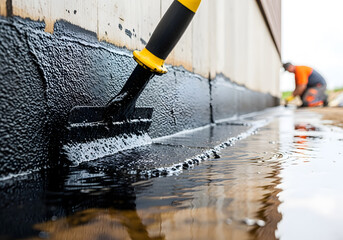

The Impact of Water Damage on Home Foundations

Foundation Repair Greensboro NC

Home foundation damage caused by flooding or standing water can be devastating to a property. Aside from causing serious structural problems, it can lead to costly and time-consuming repairs.

The good news is, there are things homeowners can do to protect their homes from this type of damage. Here are some of them: Install Drains – this can be done through proper landscape design. Contact Foundation Repair Greensboro NC for more details.

Poor Drainage

The soil around a foundation plays a critical role in its stability. Different types of soil react differently to water. Peat soil, for example, shrinks when wet and expands when dry and can shift the ground beneath a foundation. Excessive water also can wash away loose soils like silt and sand, which can cause the foundation to settle unevenly. If the settling is significant, it can cause cracks in walls and doors or sinking of the foundation itself, requiring extensive and costly repairs.

Poor drainage is a major contributor to foundation problems. Excessive moisture can cause wood rot in basements and crawl spaces, encourage mold and mildew growth and corrode metal foundation parts. Moisture buildup can also weaken concrete, reducing its ability to support a building’s structure.

Signs of poor drainage include water pooling around the foundation after rain, cracked walls and floors and damp basements. A professional should examine the site to determine the cause of the problem and recommend appropriate solutions.

Leaving foundation issues unchecked can lead to serious damage, including heaving and shifting of the foundation and other structural damage. These problems can require major renovation work and impact a home’s market value.

Foundation problems are most common in areas with clay soils, which experience drastic changes between wet and dry conditions and can exert pressure against the foundation. Poor drainage can exacerbate the problem, creating more severe cracks and heaving in the walls.

To avoid these issues, it’s important to install gutter systems with downspouts that drain away from the house and check them regularly to ensure they don’t clog. Swales, French drains and other advanced drainage solutions can also help reduce the risk of water damage to the foundation and other parts of the structure. It’s also essential to choose landscaping and planting materials that will absorb and drain water properly and to make sure irrigation settings aren’t directing water toward the foundation. Water damage isn’t just expensive; it can be dangerous for the health and safety of occupants. Early inspections and prompt intervention by experts can help prevent costly repairs and protect a home’s market value.

Improper Grading

While home buyers often focus on roof condition, electrical systems and plumbing when sizing up a potential new property, they don’t always think to check the slope of the ground around it. This is known as the grading of the land, and it’s one of the most important factors in keeping your foundation and basement dry and protecting your home from damage.

Poor grading leads to soil erosion, which in turn creates foundation problems and basement leaks. During a home inspection, your inspector will be looking for signs of grading issues, including puddles in the yard, especially after rainstorms. In addition, if you have a crawl space or basement, check for dampness and musty odors. These are signs that excess moisture is seeping in from the ground, and this can cause mold growth, rot and corrosion of metal foundation parts.

Water seepage is the most common culprit of a wet basement or crawl space, but a faulty drainage system can also contribute to water damage. A home’s grading should be designed so that rainwater and snow melt flow away from the house, rather than pooling up or running down the foundation walls.

When this doesn’t happen, a wet basement can lead to drywall damage and mold, while hydrostatic pressure may develop under the foundation, pushing against the concrete and weakening its structure. The timeline for this deterioration varies depending on local climate conditions (from droughts to floods) and the composition of the foundation materials.

The most common sign of poor grading is a wet yard or lawn, especially after a rainstorm. When a foundation is located on clay soil, it retains water for extended periods of time and can eventually cause settling or structural damage. In contrast, sandy soil drains quickly and can reduce a home’s vulnerability to flooding.

A good home inspector will be able to identify potential drainage and grading issues, which are easy to fix and can save you a lot of money in the long run. A professional landscaping company can also assess your soil type and design a drainage solution that’s customized for your home. It’s a smart investment that will pay for itself by reducing the risk of costly water damage.

Cracks in the Foundation Walls

Foundation cracks aren’t just a cosmetic flaw in the concrete of your home. These fissures are often ominous red flags for deeper structural issues that threaten the integrity of your home and, in turn, impact its value. A thorough understanding of the different types of foundation cracks and their causes can help you spot early warning signs that warrant a professional inspection and repair.

The type and severity of a foundation crack depends on soil conditions, the age of the foundation, and moisture levels. Regardless of their cause, any crack that widens or leaks water should be inspected by a foundation specialist. These professionals can recommend strategies to mitigate any serious damage and ensure that your home is safe and secure.

A concrete foundation is made of a porous material that allows water to penetrate the structure and create hydrostatic pressure against the foundation walls. This pressure can eventually cause the cracks to widen, allowing more water to seep in and exacerbate the damage. This process is accelerated by poor drainage, which leads to excess moisture in the crawl space and increased water pressure against the foundation.

In most cases, any crack in the foundation that is wider than 1/8 inch is a serious concern. Small hairline cracks that run up and down the foundation wall are common in poured concrete foundations as a result of settling and typically aren’t a cause for concern unless they exceed 1/4 inch. Horizontal and diagonal cracks are more serious, as they can indicate that there is excessive pressure against the foundation from surrounding soil.

It is also important to regularly inspect your home for stair-step cracks in block foundations and sagging floors, which are signs of structural issues that should be addressed immediately. These issues can lead to bowing or sinking walls, reducing the structural stability of your home and potentially posing a threat to your family’s safety. In addition, delaying the addressing of these issues can exacerbate them and lead to further damage and costly repairs. It is critical to recognize these early warning signs and seek professional evaluation and repairs as soon as possible to avoid the onset of significant damage and reduce your home’s value and marketability.

Mold Growth

Mold growth is one of the most serious consequences of water damage. Fungal organisms that colonize building materials like wood, drywall, and insulation consume them from the inside, breaking down their molecular structure with enzymes. This biological assault transforms strong, load-bearing elements into compromised components that can no longer support their intended weight.

The primary conditions for mold growth are food sources, ideal temperature, and moisture. Most building materials in homes provide ideal nourishment for mold spores, and these materials are often exposed to excess moisture due to plumbing leaks or condensation from heating and cooling systems.

Water problems like flooding, ponding, and inadequate drainage create the ideal environment for mold to grow, particularly when the soil is constantly wet or damp. Unchecked, this constant moisture can weaken the soil supporting the foundation of the house, causing structural deterioration and eventually leading to cracks or other signs of trouble.

Structural damage caused by mold is typically very costly to repair, especially if it affects load-bearing elements. However, if the problem is discovered early, remediation may involve simple repairs and preventative maintenance. In severe cases, mold compromise can require extensive structural reconstruction, resulting in expensive and time-consuming construction.

Moisture problems are common causes of foundation damage, but identifying and responding to them promptly can prevent the most serious problems. Watch for signs of moisture problems, including musty odors or mold growth, and schedule inspections and repairs with experts like Helicon when you notice changes in the stability of your home.

The Tidewater region of Virginia has expansive clay soils that expand when wet and shrink when dry, putting repeated stress on the foundation of homes. Poor drainage, grading issues, and landscaping that traps moisture around the foundation can further destabilize these soils, causing further damage to the foundation of your home. Early detection and prompt repairs can protect your investment and reduce the risk of expensive future repairs.

Transform Your Kitchen With Expert Cabinet Refinishing Services

Cabinets are the backbone of your kitchen and set the tone for how your space functions. But over time, they can show signs of wear.

If your cabinets are looking drab, it might be time to consider a facelift with Cabinet Refinishing Modesto. You have several options for upgrading your cabinets: refacing, resurfacing, and refinishing.

cabinet refinish

Refinishing

Cabinets take a beating over time, especially in high-traffic areas. Within two years, scratches and chips start to become noticeable. Refinishing is a great solution to refresh your kitchen’s look without the cost and hassle of full replacement.

Cabinet refinishing involves sanding down the existing surface and applying a new stain or paint. Experts use advanced sanding and spray equipment to ensure a smooth finish that can stand up to years of holiday feasts, weekday chaos, and everything in between. Refinishing is also an excellent option for homeowners who are planning to remodel their kitchen in the future but want to keep the current layout.

Although it is possible to tackle cabinet refinishing as a DIY project, it’s typically best left to the professionals. Refinishing can be labor-intensive, messy, and complicated, requiring a lengthy dry time that leaves your kitchen as a work zone. Plus, if you’re not careful, your sanding and painting skills could lead to a subpar result.

If you’re looking for a more dramatic transformation, cabinet refacing is a better option. It’s more expensive than refinishing, but it saves you the cost of purchasing and installing new cabinet doors and drawer fronts. Plus, it offers more flexibility in design because you can choose from a wide range of materials and styles.

The right hardware can elevate your cabinets’ aesthetic. Knobs, pulls, and hinges come in a variety of styles, materials, and finishes that can transform your cabinets’ appearance. In addition, they can complement other kitchen elements like countertops and appliances.

Ultimately, which renovation is right for you depends on how much use your cabinets get and the kind of look you’re going for. Do you need a complete overhaul with long-lasting durability? Cabinet refacing may be the right choice. Or do you want a budget-friendly refresh that doesn’t sacrifice style? Refinishing or refacing might be the best fit. In either case, the team can help you make an informed decision. Contact us today to discuss your options and create a space you’ll love. We look forward to hearing from you!

Refacing

If you’re ready to upgrade your cabinets to a modern design, cabinet refacing may be the perfect solution. Refacing is a more cost-effective and time-efficient alternative to replacement, providing a completely refreshed look with minimal waste and disruption. Cabinet refacing updates only the visible parts of your existing cabinets, like doors and drawer fronts, rather than replacing the entire structure. This allows homeowners to achieve a new look at a lower price point, and typically recoups 70-80% of their investment at resale.

With refacing, you’ll still use your current cabinet boxes, drawer boxes, and hardware, but will replace the cabinet doors and drawer fronts with new wood or laminate veneers. The refacing process can be done with or without the removal of countertops, and technicians work around existing installed surfaces to save you time and money.

While painting or staining can provide a refresh, refacing is the best option for a complete transformation. With refacing, you can choose from hundreds of modern finishes and door styles to create your ideal kitchen aesthetic. This makes it a great choice for homeowners who are interested in boosting their home’s resale value or want to incorporate modern features into the space.

Cabinet refacing is an eco-friendly option that avoids sending unrecyclable materials to landfill. However, it’s important to remember that refacing is more complex than painting or staining and requires advanced skills to ensure a long-lasting finish.

Professionals who specialize in cabinet refacing can offer the precision and knowledge required to guarantee a quality job. They can also help you find the ideal finishing product to meet your needs and budget.

Refacing can be costly, but it offers the most long-term value of any kitchen remodel. If you’re planning to sell your home in the future, refacing can significantly increase the overall value of your kitchen and give you the confidence to upgrade other areas of your home.

Before making a decision about which project to tackle, it’s important to consider the condition of your cabinets and what your long-term goals are. If your cabinets are heavily worn or damaged, refacing may not be the right option, as you’ll likely see a smaller return on investment when compared to refinishing.

Replacing

Cabinets are the heart of your kitchen, setting its tone and influencing how well it functions. However, with age and use, even the best cabinets can become worn, outdated and less-than-inspiring. If your cabinetry is showing signs of wear and tear, it may be time to invest in a more dramatic update. Two standout upgrades to consider are refacing and replacing your cabinets.

Refacing is a less-expensive and more practical upgrade that can significantly transform the look of your kitchen. It consists of swapping out your doors and drawer fronts for new ones while keeping the existing cabinet boxes intact, offering an opportunity to change your overall kitchen layout. This process also enables you to upgrade your kitchen hardware and incorporate modern storage solutions. Unlike replacement, it does not require tearing down walls and can be completed in a much shorter amount of time.

With refacing, you can make more dramatic changes to the look of your cabinets than with a repainting project and it is possible to add glass door panels or a completely different style. It’s also a more environmentally friendly option as it reduces waste and the need for new materials.

Unlike refacing, a full replacement project involves removing and discarding your old cabinet boxes and drawers. It’s an ideal choice if you have a structurally sound kitchen and are looking for a drastic overhaul. It can help increase the value of your home and is a good investment in the long-term as it can help you sell in the future.

Whichever option you choose, both are great options for giving your kitchen a boost. With the right professional team, you can revitalize your cabinets without breaking the bank. The next step is to decide how you want to utilize your newly updated kitchen and create a vision that brings it to life! Contact us today for a consultation, and let’s get started on your kitchen upgrade. We use premium materials and cutting-edge techniques to achieve beautiful, budget-friendly results. We can’t wait to transform your kitchen and create a space that you and your family will enjoy for years to come!

Cleaning

Unlike painting your cabinets yourself, professional cabinet painters know what they’re doing. Their skills give you a perfect finish that stands out, enhancing your home’s value and creating a fresh look. They also use top-quality paints, so your new color will hold up well to years of wear and tear. They work fast, too, minimizing disruption to your life and allowing you to return to your daily routine sooner.

Another advantage of refinishing is its green-friendly nature. Refinishing your existing cabinets uses less energy and resources than a full remodel, which requires the production of new materials. Replacing your cabinets adds wood, particleboard, and adhesives to landfills and requires heavy machinery, multiple trades, and a lot of fuel to transport them. Refinishing your cabinets instead helps reduce waste and minimizes your carbon footprint, making it an eco-smart choice for today’s homeowners.

Refinishing your cabinets also gives you more creative flexibility than replacing them. You can choose a shade that matches your countertops or flooring, create a more transitional aesthetic, or even enhance the natural wood tone for a richer look. The design experts at cabinet painting companies can help you find a color that complements your home’s style and suits your personal tastes.

The process of refinishing is also much faster than replacing your cabinets, so it won’t disrupt your daily routine as much. A complete replacement could require weeks of construction, and you may end up discovering unexpected issues (like uneven walls or floor gaps) that will add to your costs. With refinishing, the project is typically completed within a few days and can be done without the need for extensive disassembly.

To keep your refinished cabinets looking their best, regular cleaning is a must. Use a soft cloth or sponge to wipe down surfaces to remove dirt and debris. Avoid abrasive cleaners or scrub pads, which can damage the surface. A mild dish soap and warm water are usually sufficient for tough stains or food spills. You should also regularly clean cabinet hardware, using a damp cloth or brush to remove dust and grime.

Pest Control That Redefines Safe and Sustainable Living

Port St Lucie Pest Control protects more than homes. It safeguards comfort, health, and peace of mind. Every treatment aims to create balance between safety and nature. Modern pest control is now about prevention and harmony, not just elimination.

Pest Control

The evolution of pest control has brought new priorities. People now seek long-term solutions instead of short fixes. Clean environments and sustainable techniques have replaced harsh chemicals. This shift reflects growing awareness toward healthier living.

Modern pest control operates like science and art combined. Professionals study the root cause before acting. They assess environments, moisture levels, and food sources. Precision ensures safety while maintaining ecological respect.

Pest control once meant strong odors and toxic fumes. Today, innovation has rewritten that image completely. New materials are odorless, efficient, and people-friendly. The focus has shifted toward clean intervention and prevention.

The idea of integrated pest management is gaining ground. It blends environmental awareness with scientific accuracy. By targeting behavior patterns, pests are controlled naturally. This reduces risks while increasing long-term effectiveness.

Every pest problem tells a story of imbalance. It might stem from poor sanitation, hidden leaks, or clutter. Pest control identifies these unseen triggers quietly. The process restores balance rather than simply treating symptoms.

Technology has transformed how pest control functions. Smart sensors detect movement, humidity, and early infestation signs. Digital monitoring reduces manual inspection and human error. It’s control through innovation and insight.

Sustainable pest control methods have changed how people live. Techniques now focus on safety for children, pets, and plants. The harmony between control and care defines the new standard. Clean homes remain free from both pests and toxins.

Education plays a major role in pest prevention. Homeowners learn to recognize warning signs early. Awareness reduces dependency on harsh chemicals. Knowledge becomes the strongest form of protection.

Pest control today extends beyond homes. Offices, restaurants, and public spaces also require safety. Each environment demands a customized approach. Adaptability ensures that every structure remains healthy and secure.

Professionals in pest control now act as environmental guardians. They understand how ecosystems work in small spaces. Every step balances elimination with preservation. Their expertise protects both property and biodiversity.

Odor-free and residue-free methods have become the norm. Clean applications respect comfort and hygiene simultaneously. Clients no longer need to vacate their homes. Convenience and safety now work together naturally.

Some pest control systems use biological strategies. Natural predators manage infestations with minimal intervention. This method mimics nature’s own checks and balances. It’s a clean way to maintain long-term stability.

Moisture management has also become part of pest control. Damp areas attract termites, ants, and other invaders. Controlling humidity creates an invisible defense line. Prevention begins with environmental awareness.

Seasonal pest patterns influence treatment timing. Professionals track weather, breeding cycles, and migration habits. Strategic scheduling ensures maximum efficiency. The goal is to stop infestations before they grow.

Eco-friendly pest control reflects modern ethics. People want results that do not harm the planet. Innovations in biodegradable products meet that expectation. Clean control becomes an extension of responsible living.

The emotional benefit of pest control is often overlooked. A pest-free home brings calm and confidence. People sleep better knowing their space is secure. Peace of mind is the most valuable outcome.

Pest control specialists now integrate data-driven decisions. Software tracks infestation frequency and intensity. Insights guide smarter preventive actions. Technology enhances both accuracy and safety.

Cleanliness supports pest prevention naturally. Proper food storage and waste management reduce attraction. These simple habits complement professional services perfectly. Collaboration between households and experts creates lasting protection.

Non-toxic repellents have replaced harmful substances. Natural oils and organic compounds deter pests gently. These modern formulas smell pleasant and act effectively. Comfort and safety coexist in every treatment.

Pest control also promotes property preservation. Termites and rodents can cause long-term damage. Regular maintenance prevents costly repairs. Clean management protects both structure and investment.

Specialized pest control targets different environments. Kitchens need precision, while gardens need gentleness. Each setting receives tailored care and technique. This customization defines professional excellence.

Even small infestations deserve immediate attention. Ignoring early signs allows hidden colonies to grow. Swift action prevents spreading and protects hygiene. Prevention always outweighs reaction in effectiveness.

The rise of digital pest tracking offers new transparency. Clients can now monitor activity reports in real time. This accountability strengthens trust and satisfaction. Knowledge empowers homeowners to stay proactive.

Clean air matters as much as clean floors. Pest control contributes to this balance indirectly. Removing droppings, webs, and nests improves air quality. Clean environments nurture both body and mind.

Ethical pest control practices continue to expand globally. Humane traps and relocation methods replace destruction. Professionals now respect all living forms, even pests. The approach reflects compassion blended with expertise.

Scent detection is also being used for targeted treatment. Certain tools identify hidden infestations through odor markers. This prevents unnecessary spraying or over-treatment. Accuracy reduces waste and enhances safety.

Pest control contributes to wellness in unseen ways. It reduces allergens, prevents bites, and improves sleep quality. Healthy environments translate to healthier lives. Clean surroundings become quiet healers.

In agricultural zones, pest control protects both crops and soil. Sustainable farming relies on natural deterrents. Eco-friendly sprays preserve nutrients while removing threats. The balance between yield and ecology stays intact.

Urban pest control introduces new challenges and solutions. Crowded living spaces require strategic systems. Professionals use compact tools and discreet applications. The process respects privacy while maintaining efficiency.

Automation continues to shape pest control’s future. Robots and drones assist in inspections and treatment. Precision and coverage improve significantly. The result is safety combined with technological grace.

Chemical-free pest control now dominates residential demand. People value health above convenience. Natural systems prevent resistance and maintain purity. This approach reflects modern values of conscious living.

Smart traps represent another innovation in pest control. They detect, capture, and notify remotely. Efficiency meets ethical management effortlessly. This automation saves time while preserving safety.

Cleanliness and pest management are deeply connected. Every clean surface discourages infestation naturally. Simple order creates a hostile environment for pests. Clean living becomes a form of self-defense.

Modern pest control companies focus on continuous education. Technicians learn new techniques regularly. Their growth ensures updated safety and effectiveness. Knowledge keeps the system dynamic and trustworthy.

Sustainability drives every decision in modern pest control. From packaging to disposal, waste reduction is key. Professionals ensure minimal environmental footprint. The process respects both property and planet.

Noise reduction has also improved pest control operations. Treatments now occur quietly without disruption. This makes nighttime or work-hour services possible. Comfort and discretion merge seamlessly.

Pest control services have grown more personalized. Some clients prefer scent-free methods, others organic ones. Tailored plans meet unique household needs. Customization ensures satisfaction across lifestyles.

Even the design of pest control tools reflects evolution. Lightweight, efficient equipment reduces fatigue and error. Professionals work faster and safer simultaneously. Form and function meet in balanced precision.

Routine inspections prevent hidden surprises. Regular pest checks reveal subtle warning signs early. This foresight saves money and prevents discomfort. Prevention remains the heart of effective pest management.

Pest control now intersects with architecture and design. Buildings are being constructed with pest resistance in mind. Ventilation, sealing, and drainage play crucial roles. Prevention begins at the foundation level.

People are now more mindful of their indoor ecosystems. Pest control supports this mindfulness by keeping balance. A clean space attracts wellness and repels chaos. Harmony between nature and home defines this new era.

Even rural areas benefit from advanced pest technologies. Portable systems allow efficient service anywhere. Accessibility ensures no community is left behind. Clean living is now universally achievable.

Pest control influences emotional well-being quietly but powerfully. The comfort of knowing a home is safe fosters calm. Clean surroundings invite positive energy. It’s an invisible support to everyday happiness.

Every pest-free space symbolizes stability and care. Behind each clean corner lies precision and dedication. Pest control is no longer a reaction—it’s a routine of wellness. It protects the unseen layers of human comfort.

Ensuring Peace of Mind with a Comprehensive Home Inspection

Buying, selling, or maintaining a home is one of the biggest investments a person can make, and ensuring that the property is safe, structurally sound, and free of hidden issues is essential. That’s where a thorough home inspection becomes invaluable. Far more than a quick walkthrough, a professional home inspection provides an in-depth look at a property’s condition, identifying potential problems before they become costly surprises. Whether you’re a first-time buyer, a seasoned investor, or a homeowner wanting to protect your investment, understanding the importance of a home inspection can help you make smarter decisions and enjoy greater peace of mind.

home inspection

Why Home Inspections Matter

A home may look flawless at first glance, but appearances can be deceiving. Small cracks in the foundation, outdated wiring, hidden water damage, or deteriorating roofing materials are often invisible to the untrained eye. A comprehensive inspection uncovers these issues and more, giving you a clear picture of the property’s true condition.

For buyers, this knowledge helps prevent unexpected repair costs after the sale. For sellers, a pre-listing inspection can highlight issues to address before putting the house on the market, making it more appealing and increasing buyer confidence. Even for long-term homeowners, routine inspections can spot maintenance needs early, saving time and money in the long run.

What a Typical Home Inspection Covers

A standard home inspection is a top-to-bottom review of a property’s major systems and structural elements. Inspectors generally evaluate:

  • Foundation and Structure: Looking for cracks, uneven floors, or other signs of settling that could indicate structural instability.
  • Roofing and Attic: Checking for leaks, damaged shingles, insulation quality, and ventilation to prevent water damage and energy loss.
  • Plumbing Systems: Identifying leaks, corrosion, water pressure issues, and the condition of visible pipes and fixtures.
  • Electrical Systems: Examining outlets, panels, grounding, and wiring for safety and code compliance.
  • Heating and Cooling Systems: Assessing the condition and functionality of furnaces, air conditioning units, and ductwork.
  • Interior and Exterior Components: Inspecting walls, ceilings, windows, doors, and siding for damage or wear.
  • Basement or Crawl Spaces: Looking for moisture issues, pests, or insulation problems.

While inspections don’t guarantee that every issue will be found—especially hidden ones behind walls—they provide a reliable overview of a property’s current condition and potential future concerns.

Benefits of Getting a Home Inspection

The advantages of a home inspection extend beyond just finding problems. They include:

  • Negotiating Power: Buyers can use inspection findings to negotiate repairs, credits, or price adjustments before finalizing a purchase.
  • Budget Planning: Understanding a property’s condition helps plan for future maintenance or upgrades, such as replacing an aging water heater or repairing a worn roof.
  • Safety Assurance: Inspections can uncover hazardous conditions, such as faulty wiring, gas leaks, or mold, which could pose health risks if left unchecked.
  • Confidence in Decision-Making: Whether you’re buying, selling, or staying put, having a professional assessment reduces uncertainty and stress.

These benefits make inspections one of the smartest investments in any real estate transaction.

Preparing for a Home Inspection

Both buyers and sellers can take steps to ensure a smooth inspection process:

  • Clean and Clear Access: Make sure basements, attics, garages, and utility areas are accessible. Inspectors need to reach systems and components to do a thorough job.
  • Provide Documentation: Maintenance records, warranties, and receipts for repairs or upgrades help inspectors understand the home’s history.
  • Address Obvious Issues: Fixing small, visible problems like leaky faucets or loose handrails beforehand can create a better impression.
  • Be Present if Possible: Attending the inspection allows you to ask questions and gain a better understanding of the findings firsthand.

Preparation not only makes the process smoother but also signals to the inspector and potential buyers that the home has been well cared for.

Understanding the Inspection Report

After the inspection, you’ll receive a detailed report outlining the findings. These reports often include photographs, descriptions of concerns, and recommendations for repairs or further evaluation. While seeing issues listed can be intimidating, it’s important to remember that no home is perfect—even new constructions can have minor issues.

Focus on major problems or safety hazards first. Cosmetic imperfections or minor wear-and-tear items are less critical and can often be addressed over time. For significant issues, consider getting estimates from specialists to understand repair costs before making decisions.

When to Schedule Inspections

While most people think of inspections during the buying process, there are other times when they’re equally valuable:

  • Pre-Listing Inspections: Sellers can identify and repair issues before putting their home on the market, making the property more attractive to buyers.
  • New Construction Inspections: Even brand-new homes can have defects; inspections ensure the work meets standards.
  • Routine Maintenance Inspections: Homeowners can schedule periodic inspections every few years to catch small problems early and extend the life of their home’s systems.

Regular inspections protect your investment and prevent surprises down the road.

Choosing the Right Home Inspector

The quality of an inspection depends heavily on the inspector’s expertise. While you should avoid brand endorsements, you can still look for professionals who are experienced, certified, and have positive reputations. Ask about their training, the scope of their inspections, and whether they provide clear, detailed reports. Recommendations from trusted sources or industry associations can also help you make an informed choice.

A home inspection is one of the most powerful tools for protecting your investment, your finances, and your peace of mind. By revealing hidden problems, providing a roadmap for maintenance, and giving buyers and sellers confidence, inspections turn uncertainty into informed decision-making.

Whether you’re preparing to buy, sell, or simply maintain your home, scheduling a thorough inspection is a smart move that can save money, reduce stress, and ensure the safety and longevity of your property. In the long run, the cost of an inspection is minimal compared to the security and clarity it provides—making it a cornerstone of responsible homeownership.

The Importance of Septic System Preventive Maintenance

Septic systems play a crucial role in the health and comfort of your home. Keeping up with essential maintenance tasks like scheduling pumping, practicing mindful water usage, and educating your household on what should and shouldn’t be flushed can help reduce the risk of costly repairs.

Septic

Paying attention to warning signs can also save you from requiring emergency services, which come with additional expenses and potential health risks. Contact Septic Service Fresno for professional help.

Many homeowners forget about their septic systems until something goes wrong, but preventive maintenance can protect your home’s septic system from costly problems and help keep wastewater away from your house. Regular service by a licensed, professional septic service provider can catch small issues before they become major repairs, extend the lifespan of your septic system, and reduce household hazardous waste disposal costs.

Preventive septic maintenance services include routine inspections, cleaning of the septic tank, and proper use of household drains and toilets. It is also important to be aware of what to do and not do with a septic system, such as not flushing inappropriate items down the drain. Items that do not break down like toilet paper and human waste can clog drain lines, especially the septic tank outlet pipe. This can lead to sewage backups into the home, which require emergency septic service and result in expensive repairs and health risks.

A septic system that fails can pollute groundwater and surface water with bacteria, which poses serious health risks for homeowners and the surrounding community. The EPA recommends routine septic tank inspection, pumping, and cleaning to reduce the risk of failure and maintain proper septic system operation. A properly functioning septic system also promotes family health and hygiene by preventing disease-causing bacteria from entering the household.

Regular septic maintenance includes reducing the amount of household waste to avoid overloading the septic tank. To do this, consider using low-flow sinks and showerheads, limiting laundry loads, and only using the dishwasher when full. It is also recommended to not use harsh chemical cleaners and bleach, as these can disrupt the natural bacteria that breaks down waste.

Another key preventive measure is to plant trees and shrubs far from your septic tank and drain field to avoid root intrusion and blockages. In addition, it is helpful to have a septic tank locating marker in place for easy identification of the septic tank and its location.

In addition to ensuring that your septic system is working correctly, preventive maintenance also helps you get the most value out of your home when it comes time to sell. Potential buyers will be impressed by a clean, well-maintained septic system with complete maintenance records. This makes the property more appealing than a comparable home with an unknown septic system history.

Emergency Repairs

Septic systems are complex and must be handled by professionals to ensure that repairs and installations are completed correctly. This helps prevent recurring issues that may require expensive system replacements down the road. Moreover, professional septic services protect the environment by reducing waste pollution. Leaks and overflows from malfunctioning septic systems introduce pathogens into soil and water sources, harming wildlife and local ecosystems. By relying on regular inspections, pump outs, and maintenance from a qualified septic service provider, you can keep your septic system healthy and safe for years to come.

Emergency repairs are necessary when septic components are damaged or not working as they should. Whether it’s an overflowing tank, sewage backups, or other serious problems, prompt repair is essential to reduce the damage and protect your property and family.

Most septic emergencies involve clogs or structural problems that can be expensive to repair. Top septic system service experts in Bonita Springs, FL explain that clogs occur when solid waste builds up faster than it can be broken down, leading to slow draining, unpleasant odors, and potential wastewater leaks.

Another common issue is a damaged septic system distribution box, which takes in effluent from the septic tank outlet and distributes it to the leaching field. This box needs to be free of obstructions and properly plumbed to ensure proper flow. Untreated septic system emergencies lead to expensive sewage backups, soil contamination, and damage to landscaping and structural integrity.

A septic tank system is usually hidden from view, making it difficult to identify a problem until it’s too late. The best way to avoid costly septic system emergencies is by scheduling routine inspections and maintenance from a reputable septic service provider. A septic service provider can also help you stay on track with your pumping schedule and recommend a system maintenance plan that fits your household’s needs. In addition, you can reduce the risk of emergencies by using septic-safe products and refraining from flushing chemicals, grease, or non-biodegradable substances. 

Inspections

A septic system quietly keeps everything running smoothly beneath the surface, but when it isn’t properly maintained, it can cause sewage backups, foul odors, and environmental damage. Regular inspections can catch problems before they escalate, saving you from expensive repairs down the road.

There are two types of septic inspections: visual inspections and full inspections. The former involves checking indoor and outdoor drains as well as the septic tank and drain field, and costs between $100 and $300. The latter is more comprehensive and can cost up to $600. It includes all the steps of a visual inspection plus opening and inspecting the septic tank and pumping (if necessary).

After performing a visual inspection, the septic inspector examines the tank for cracks, corrosion, and levels of sludge and scum. They will also open the access covers and look at the baffles. They will then run water to check the leaching system for functionality and assess if it needs to be pumped. In addition, they will check the drain field for any issues with ground cover or vegetation. The inspector will also perform a dye test, which detects leaks by using a special dye that is attracted to waste.

Since septic systems are largely buried underground, it can be difficult to visually inspect them without the aid of specialized tools. However, new camera-assisted methods have made this task far more efficient. By sending a digital camera through the entire septic system and drain field, your septic professional can spot even the smallest potential problems, including clogged pipes and root intrusion.

A septic inspection should be done every 3 to 5 years, but in some cases you may need it more often. If you’re selling your home, a full inspection is especially important. This will ensure your septic system is in good condition and comply with state and local regulations. This will reassure potential buyers and help you get the highest sale price possible.

Pumping

Your septic system is one of those unsung heroes that quietly protects your home, family, and guests around the clock. However, like any machine, your septic system needs regular maintenance to keep working properly. Without routine service, hidden problems can escalate into costly emergencies like back-ups and drainfield failures. Thankfully, you can avoid these headaches by scheduling regular septic tank pumping and inspections with your trusted local septic system company.

Pumping removes solid waste and sludge from your septic tank, reducing the risk of clogs, backups, and system failures. A professional can recommend an appropriate pumping schedule based on household size and water usage.

Keeping up with your septic tank pumping schedule is the best way to extend the life of your septic system and minimize costly emergencies. When combined with regular inspections, septic tank pumping can keep your system performing its best for decades to come.

A septic system that is not functioning properly poses many risks for homeowners, especially those with small children and pets. Leaking tanks and broken components can expose them to dangerous pathogens and contaminate the soil, groundwater, and surrounding environment. Wastewater can even enter indoor spaces and affect air quality, creating respiratory irritants for those in the home. By investing in septic system maintenance, you can avoid these risks altogether and enjoy a smoother, healthier lifestyle.

In addition to preventing serious consequences for your health, a well-functioning septic system also protects your property value. Potential buyers will often request maintenance records as part of the sales process, so having a record of regular services can help sell your home faster and for a higher price.

Don’t wait for slow drains, strange odors, or soggy spots in your yard to call for septic tank services. Whether you need septic tank pumping, inspections, or comprehensive septic system repairs, a reputable septic service provider can handle all of your needs quickly and conveniently. Call today to schedule your next service. Our experienced professionals look forward to helping you maintain a safe, healthy, and environmentally friendly septic system.

Custom Metal Gate and Fence Installation Explained

Metal Gate and Fence

A quality metal fence and gate will last for years. They also require proper installation to stand strong and look great.

Metal Gate and Fence begins with site evaluation, mapping fence lines, and marking post locations. They check for underground utilities and confirm property boundaries. They remove obstructions and prepare the ground for installation.

Materials

When creating custom iron gates and fences for homes or businesses, it’s important to choose a material that matches the environment. Metal options like aluminum and steel provide durability, but they’re also flexible enough to be crafted into unique designs for aesthetic appeal.

Other materials such as wood and vinyl offer warmth and traditional charm, though they require routine sealing and maintenance. Whether you prefer the longevity of an iron fence or the traditional look of a wood gate, Victoria Fabricating has the resources to bring your vision to life.

During the design phase, contractors work with you to understand the purpose and style of your property. They’ll evaluate the terrain, note any potential issues like slopes or drainage patterns and address questions about privacy and aesthetic preferences. A clear understanding of your goals helps ensure that the finished product meets legal requirements and functions as intended.

Once the design has been approved, contractors prepare the site for construction. They may mark the fence lines and positions according to the approved design, and they’ll establish a strong foundation by digging post holes and pouring concrete. This step involves careful planning to avoid any obstacles or underground utilities that could interfere with the installation process.

Preventative measures are also taken to protect the fabricated iron from corrosion. This can include etching the surface, applying an anti-rust coating or powder coating. These treatments help the fence resist moisture, salt and other environmental pollutants that can speed up rusting.

Once the components are fabricated, they’re transported to the installation site on special specialized vehicles. Experienced handling technicians are trained to transport the pieces safely so that they arrive in pristine condition. Once on-site, the crew transforms the individual components into a cohesive and functional fence. They’ll install the panels, attach any gates and complete a thorough quality check to ensure that all aspects of the gate and fence are functioning properly. They’ll even make adjustments to address settling and other factors that might impact functionality. They’ll also clean the installation area and remove any debris.

Design

Choosing a custom gate allows homeowners to create a made-to-order design that perfectly balances aesthetics and functionality. During the design phase, your vision is transformed into a tangible plan using modern tools like computer-aided drafting (CAD). Together with your contractor, you’ll explore specific ornamental details, height requirements, and other important aspects of the gate installation that will affect its daily function. You may also want to incorporate other features like automated gates, keypad entry systems, and surveillance capabilities into the design.

Once the design process is complete, it’s time to bring the installation to life. The first critical step on-site involves establishing a solid foundation. This can involve digging footings and pouring concrete to properly anchor the fence posts. This step may also include confirming that any underground utilities are mapped and safely relocated before construction begins.

Then, contractors prepare the property for fence installation by removing any debris or vegetation from the area. They’ll run a string line to mark utility lines before digging, and purchase or rent all of the necessary tools for the project. They’ll also contact local utilities to have them come out and mark any lines that are in the vicinity. This prevents accidental cuts and delays while installing the fence.

Next, installers lay the groundwork by calculating post spacing and digging post holes for foundation. This ensures that each fence post is evenly spaced to maintain structural integrity and aesthetic uniformity. Concrete is then poured and allowed to cure. Once the concrete has cured, the installers can begin attaching fence panels.

Finally, if your gate installation includes automated elements like motors or sliding tracks, the installers will connect power supplies and test their operation to make sure everything is running smoothly. Any minor adjustments and touch-ups are performed on site to ensure that the final product meets your precise standards.

When the job is done, the installer will conduct a detailed walk-through with you and explain its operational aspects, maintenance recommendations, and care instructions so that you can enjoy your new custom fence or gate for years to come.

Installation

A custom metal fence is designed to meet the specific needs of your home or business. The design process typically begins with a visit to your property by professional contractors. During this time, they evaluate the land, measure boundaries, and address any potential problems. This step also provides an opportunity to discuss aesthetic preferences and answer any questions you may have. The more open the conversation, the closer your finished product will match your vision.

Before construction begins, a permit application is usually required. This step ensures that your fence meets local codes and functions as intended. In addition, local authorities often require a surveyor to accurately determine property lines. This prevents encroachment on neighboring properties, which could lead to legal disputes.

Once a permit is in place, the installation process begins. Contractors carefully measure the installation site and prepare the ground for fencing by digging holes at the proper depth based on soil type, frost line, and fence height. Professionals also calculate post spacing to maintain structural integrity and aesthetic uniformity. If the fence will be installed on a slope, contractors make adjustments to accommodate changes in elevation.

During the fabrication process, your custom iron fence undergoes rigorous quality control to ensure that it is of the highest possible standard. The components are then loaded into specialized vehicles and transported to your installation site. Once on-site, the team carefully installs each component. If the project includes automation or access control systems, these are installed at the same time to ensure optimal functionality.

Finally, the final steps include a detailed walk-through with you and any other stakeholders. This is an opportunity to explain operational aspects, recommend maintenance procedures, and provide care instructions so that you can enjoy your new iron fence for years to come. Additional protective finishes may be applied on-site to touch up any exposed welds or surface imperfections, ensuring that your finished product is uniformly protected against the elements.

Iron fences are incredibly durable and can withstand harsh environmental conditions for decades. They’re also highly customizable, with a range of picket styles, post caps, and color options to suit your home or business. They’re also low-maintenance, with periodic cleaning and simple touch-ups preserving their beauty.

Maintenance

A fence and gate are a significant investment for any property. A professional installation process ensures a secure and lasting result that will define outdoor space and increase privacy while showcasing your unique style. A fence’s design, materials, and layout must complement surrounding garden paths, patios, outdoor furniture, and architecture to create continuity.

The initial consultation helps contractors understand your goals and objectives so they can develop a custom design. They will also review local zoning laws, permit requirements, and homeowners’ association rules to avoid costly delays and ensure compliance.

After reviewing the design, you’ll receive a proposal that details cost and timeline for the project. This is a good time to ask any questions you have about the design or any other aspect of the project. The proposal should include a clear breakdown of all components and services to avoid any surprises when the bill arrives. Optional features like automated gates and security lighting can add to the total costs.

Preparing the site for a new fencing installation is a complex task. Contractors must evaluate soil composition, drainage, and any existing structures to prevent structural failure or safety hazards. They also use advanced surveying equipment to mark the exact location of posts and panels. This ensures a uniform appearance and robust structure, even with an extensive decorative ironwork design.

When the foundation is set, the installation team lifts the pre-fabricated iron panels and assembles them on the post base. They are then secured with concrete to create a strong foundation and a safe structural system.

Depending on the size and complexity of your custom fence, this step can take one to three days. During this time, contractors fine-tune the system to make sure it’s functioning properly and meets all your expectations. They may also perform a live demonstration of any integrated technology to ensure you understand how to operate them.

Keeping your metal fence in top condition requires regular cleaning and maintenance. Aim for at least a quarterly cleaning to remove any dirt and debris, and keep it lubricated with motor oil. Regular inspections should be done for signs of corrosion or other problems, such as insect infestations.